GPSChianti
The Castello di Cintoia is part of the municipality of Greve in Chianti in the province of Florence, 5.93 kilometers from the same municipality. This submerged area in the green is a very interesting area from a landscape point of view but it is even more so from a historical point of view. To explore this area there is a circular itinerary called the "Ring of Cintoia" which in about 6 hours of walking allows you to admire the most beautiful parts of this area. The path in its part along the Sezzate stream largely follows the ancient Etruscan, Roman and medieval road that connected Florence and Fiesole to Volterra
The Structure
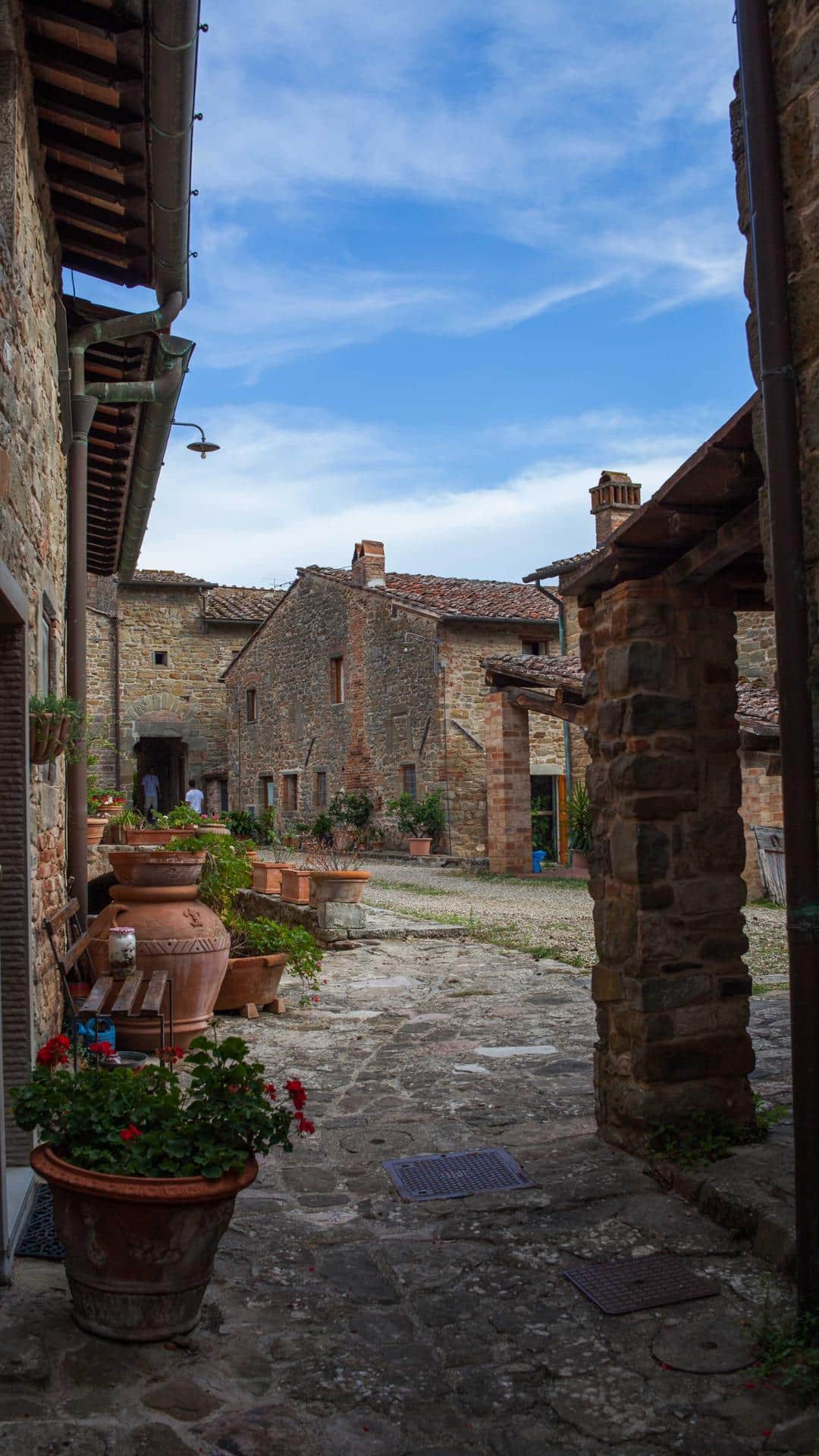
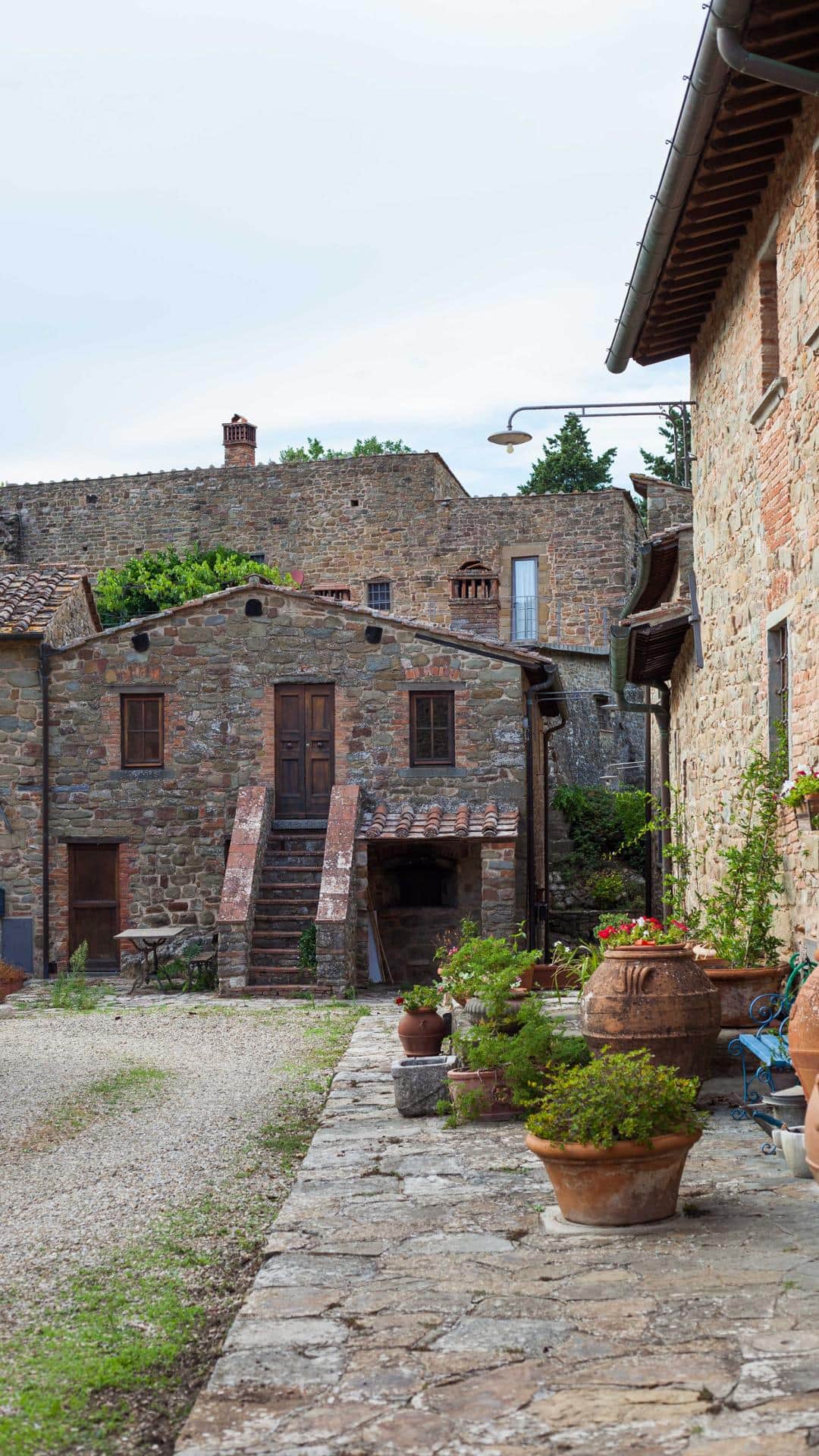
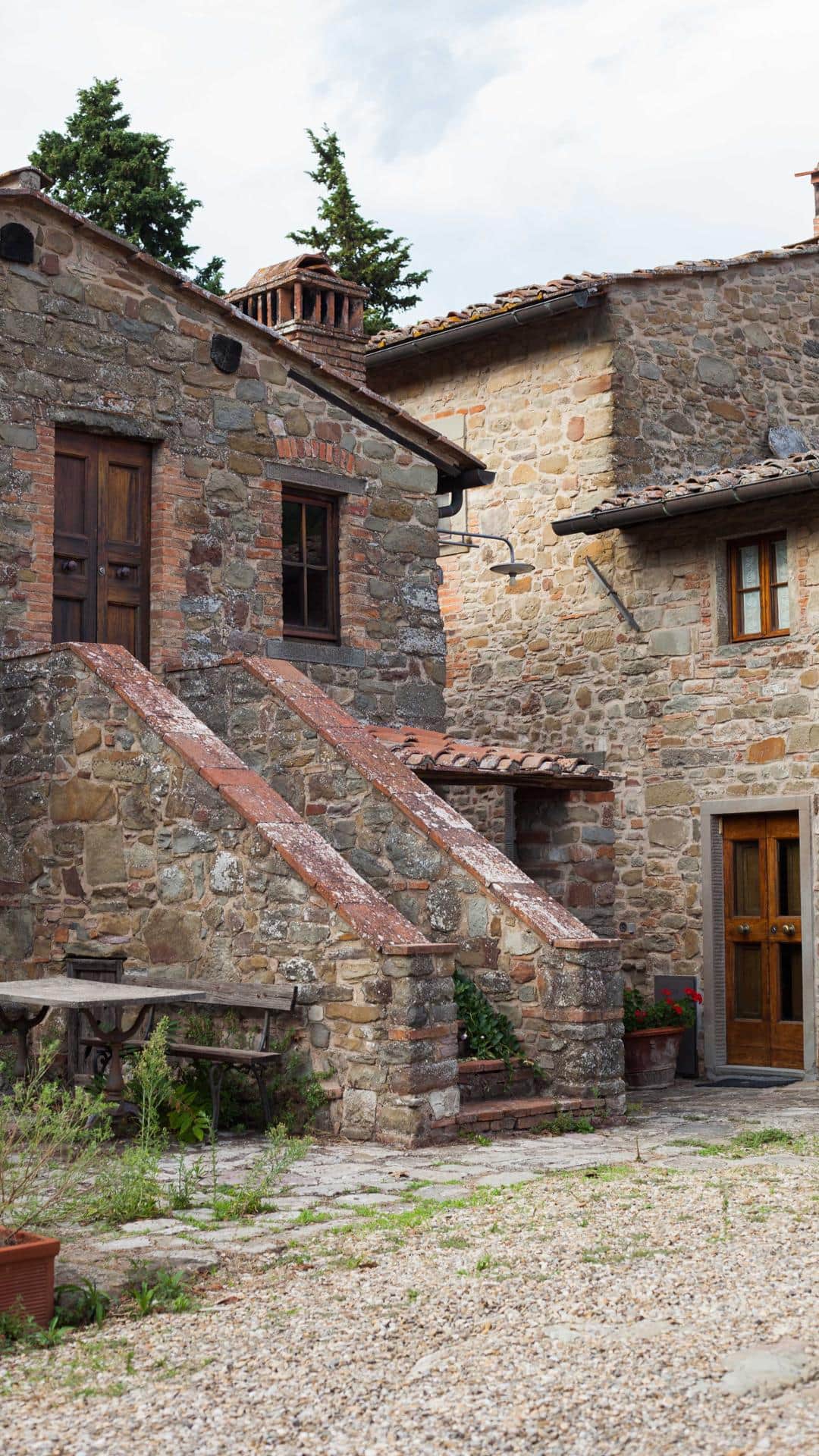
After the recent transformations it is not easy to recognize the original structures: the fact remains that Cintoia is still a fairly clear example of the topography of a nested settlement, even if only a few traces of the walls remain. Other buildings have leaned against those originally present in the town, sometimes identifiable by their characteristic architectural elements, such as architraves supported by simple brackets or walls made in rows. Some of the structures that are still partly legible today can be dated approximately to the 13th century, but the structure has more distant origins: the highest part of the castle, today barely visible and not open to visitors because it is a private residence, consists of some buildings founded on a solid wall circuit that defended the top part of the castrum.
Historical notes
The earliest records of this settlement date back to the 11th century and are one of the first documented examples of castles in the Florentine area. At the end of the 11th century, Cintoia was the seat of a rural company (curtis) owned by the Chapter of the canons of the cathedral of Florence, and the first document attesting the existence of the castle dates back to 1040. Subsequently, under the keep it had to develop a village witnessed at least since 1153, then surrounded by a wall circuit of which few traces remain in the door that we have attributed to the thirteenth century and within which the parish church was included. Most likely at the foot of the castle one of the main roads that connected the upper Valdarno to the Val di Greve must have passed and this was also one of the reasons for the importance acquired by the village in the central centuries of the Middle Ages and also for the presence of a hospital inside the village. .

Information

Nearby

No related places available